 01 / BRAINROT
Serious game / Interaction & systems design
BRAINROT ↗
Uncover the commodification of attention through everyday therapy tasks. A three-stage prototype explores emotional interpretation, evidence tracing and choices under pressure.
From desktop narratives to virtual kitchens, combat spaces to physical cards.
Explore how rules, feedback and stories become playable experiences.
Six projects, one shared interest: how players understand, act and choose.
Follow the rumour of a golden Buddha into Fengling Village. The case study keeps chapter narrative, an interactive level atlas and embedded gameplay footage together.
Open case study ↗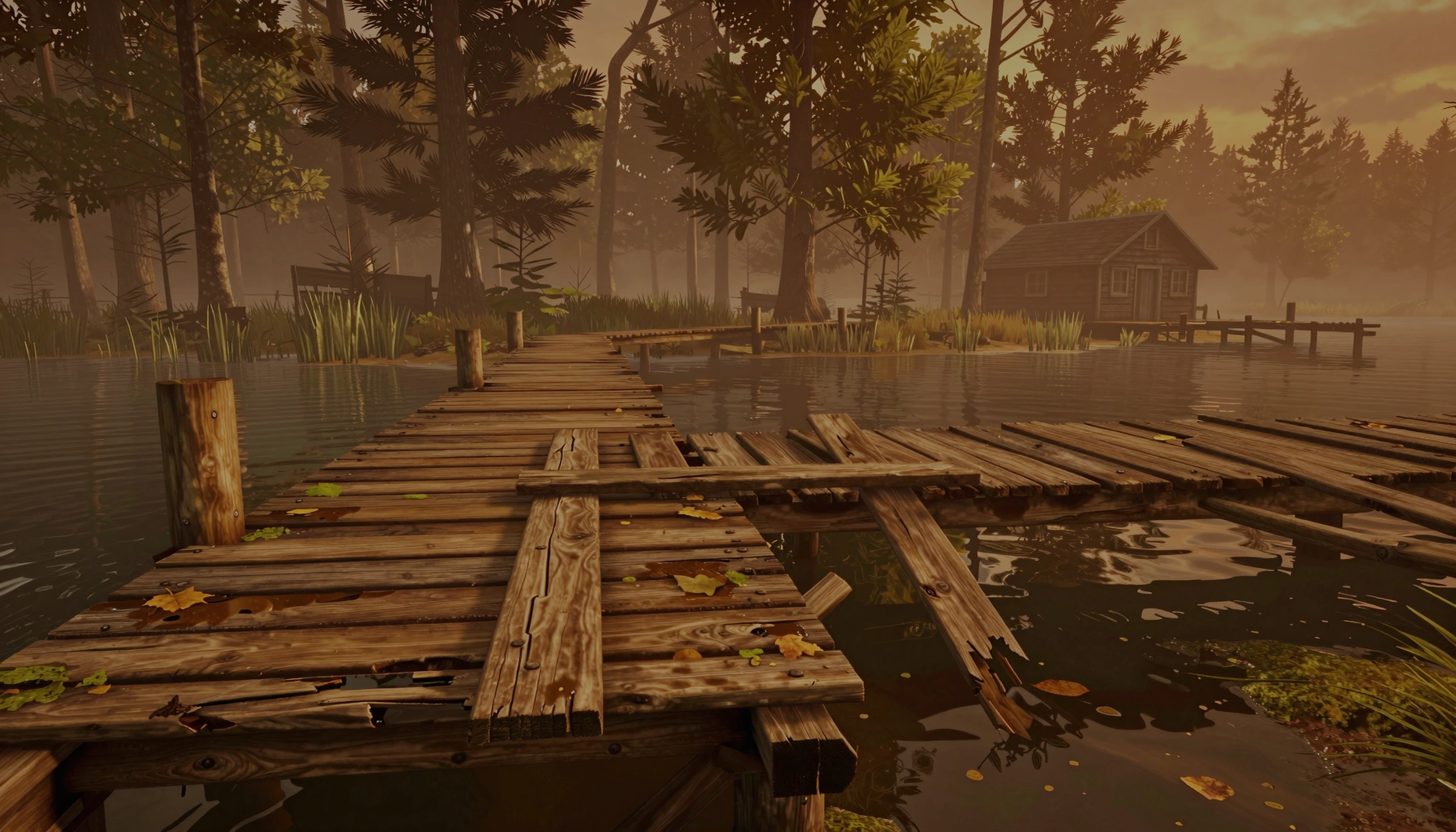 01 / BRAINROT
Uncover the commodification of attention through everyday therapy tasks. A three-stage prototype explores emotional interpretation, evidence tracing and choices under pressure.
 02 / LEVEL DESIGN
Level footage and map breakdowns explore spatial organization, movement routes and combat encounters.
 03 / VR INTERACTION
Grabbing, preparation, cooking and recipe checks become hands-on kitchen tasks that explore the relationship between action sequences and feedback.
 04 / TABLETOP GAME
A tabletop experience built around a board, roles and event cards, with rule and visual iterations documented through playtest feedback in the original report.
05 / OPEN WORLDFollow the rumour of a golden Buddha into Fengling Village and uncover the secret behind its prosperity.
 06 / LEARNING WEB APP
A grammar revision app for primary and junior high students, with 72 flip cards, common-error checks and 25-question unit tests across Grades 3–9.
Translate themes into concrete actions: what to read or drag, when to decide, and what follows from each choice.
Help players understand their actions through interface hierarchy, spatial cues, task states and clear rules.
Document alternatives, prototypes and reasons for change, distinguishing implemented features, recorded feedback and hypotheses still to be tested.
This portfolio brings together game design, narrative interaction, VR and tabletop projects. Each case study presents design materials from different stages, connecting the outcome to its development process.
Individual contributions, team implementation and AI assistance are disclosed in each case study. The 20 BRAINROT survey records are synthetic test data, not findings from real participants. Research sources and limitations for other projects are documented in their case studies.